Showing posts with label Callie Graham. Show all posts

Monday, June 4, 2018

Day 160 - BHS Summer Reading Exploration Activity - Mrs. Graham - Teacher/Librarian

The post first appeared on the BPSEdTech/Library Blog

Freshmen, sophomores, and juniors engaged in a Summer Reading Exploration Activity in the library in which students had 4-5 minutes to sample each book, various cover artwork, reviews, and excerpts. The event allowed students to get a feel for each book so that they could make a more informed choice. During their book tasting, students also had the opportunity to sign up for a library card with BPL Young Adult Librarian Nicole Monk.


The BHS English department has also partnered with Barnes & Noble Burlington. If students choose to do so, they can complete an order form and bring the exact cost of the book(s) to their English teacher. Twenty percent of the net cost of each book purchased through this process will go to the English Department Student Activities Fund. That money will be used to help fund various student activities throughout the year. Books will be delivered to student classrooms on June 18th.


Wednesday, May 30, 2018

Day 157 - BHS’s Forensic Science Students Recreate Crime Scenes - Mrs. Graham - BHS Teacher Librarian

BHS’s Forensic Science course taught by Science Teacher Julia Carey examines “the history and the development of forensic science, as well the organization and services of the crime laboratory….Through the examination of physical and trace evidence left behind at a crime scene, the students…think critically, analyze collected data, and solve the crime” (BHS Program of Studies).
As a final project, students developed “Recreation​ ​of​ ​a Crime​ ​Scene” models, which the library has been fortunate to showcase. The assignment allowed students to scrutinize the details “as only a Forensic Scientist would do…[and] learn how…forensic investigations lead to the arrest of a suspect of the crime,” Carey said.
Included with each model is a “Crime Log,” crafted by students following thoughtful research. The log contains the crime scene map, the story of the crime and how it was solved using Forensic Science, the Evidence Log, photos of the crime scene, and answers about the various types of murder. Each scene contains meticulously detailed elements of the crime from fingerprints to murder weapons to blood spatter.
“The crime scene marks show you how it [the investigation] is done, and what it actually looks like,” Rizkhan Muhwezi said of his model.
Overall, the scenes enabled students to review the concepts they had covered throughout the course, including fingerprinting, types of injuries leading to death, crime scene mapping, photography, etc.
“It was cool taking what we learned from the class about evidence and applying it,” Erin Mackey said.
Gina Anastasiades echoed Mackey’s commenting, insisting, “it was fun to do something hands-on and creative to show what we learned.”

Monday, May 7, 2018

Day 143 - Author Johanna Hartford visits BHS - Mrs. Graham - BHS Teacher Librarian


Special thanks to local author Johanna Hartford for participating in last week’s faculty book discussion of The Ivory Rite, her compelling debut YA dystopian novel. In the book, protagonist Queen Diem wrestles with issues of race, class, and gender, as she struggles to define her own power in a kingdom sharply divided into realms of ice and heat. Filled with powerfully crafted characters, complex relationships, and intrigue that will keep you turning pages, The Ivory Rite poignantly addresses issues relevant to our world today. 


Copies are available in the library and on Amazon! (Photo and Cover by BHS Art Teacher Keith Mistler)

Tuesday, April 10, 2018

Day 129 - Using Two-Column Notes for Researching & Writing from Sources - Mrs. Graham - BHS Teacher Librarian

This post first appeared on the Burlington Keys to Literacy Blog


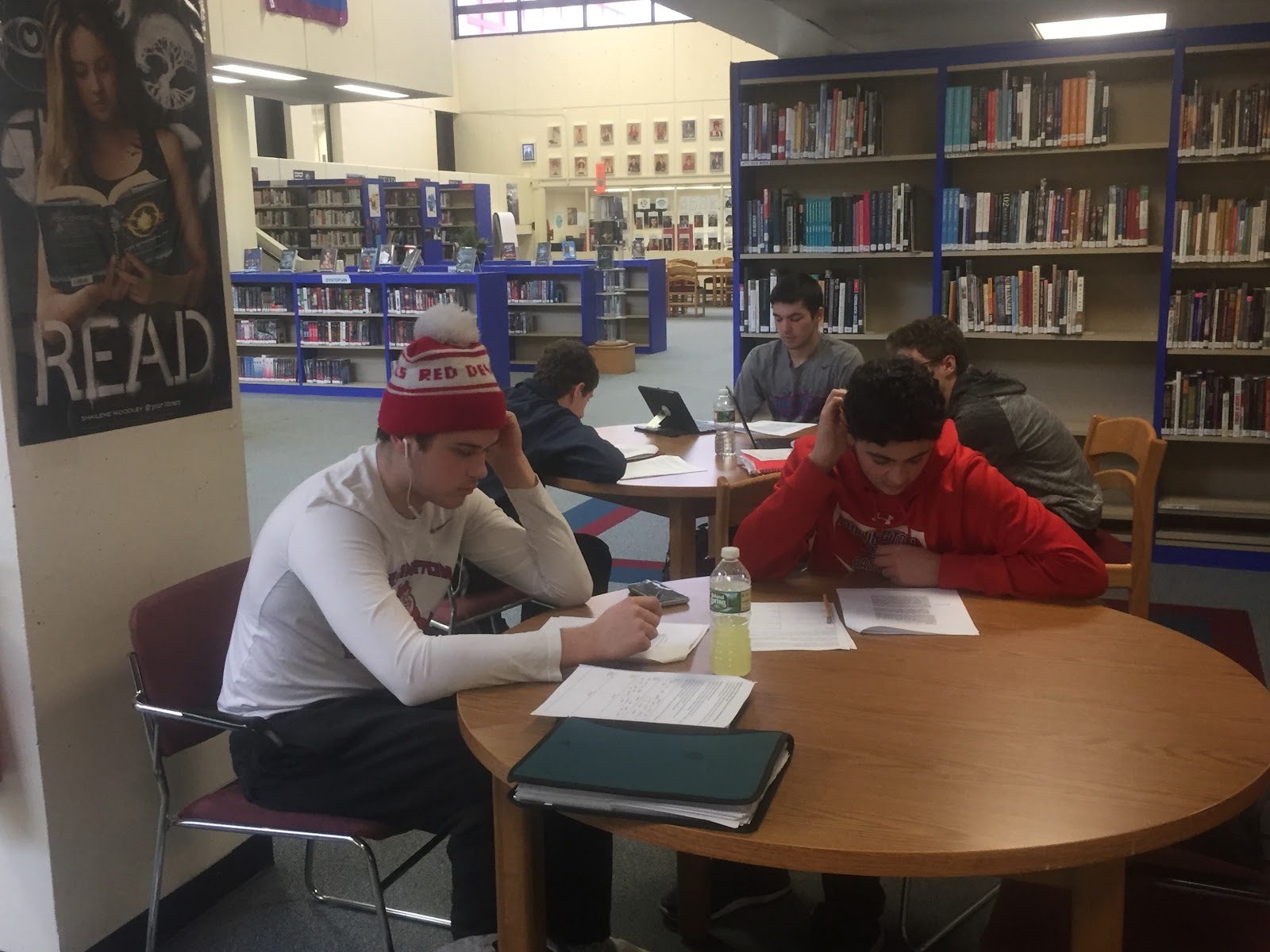
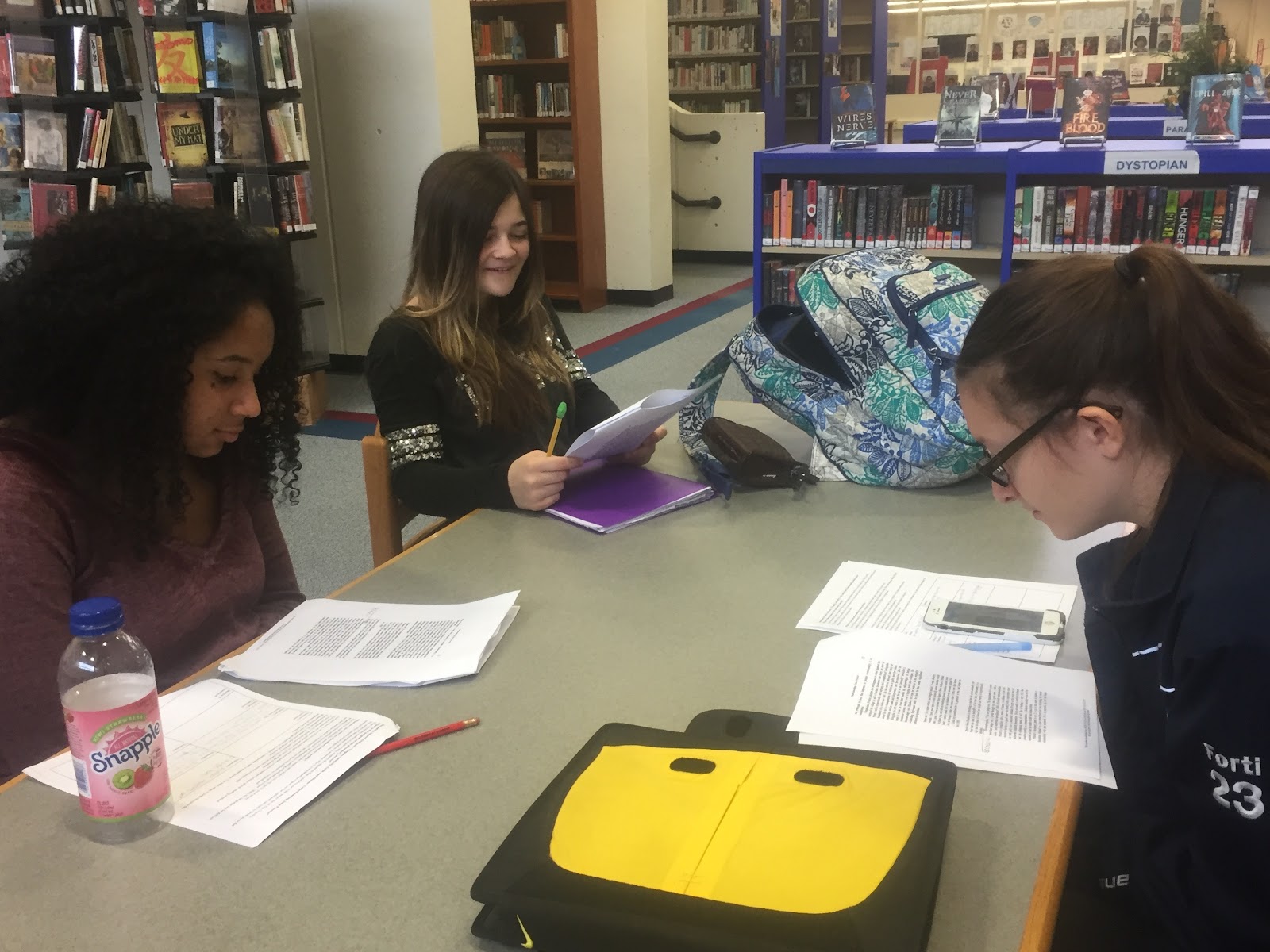
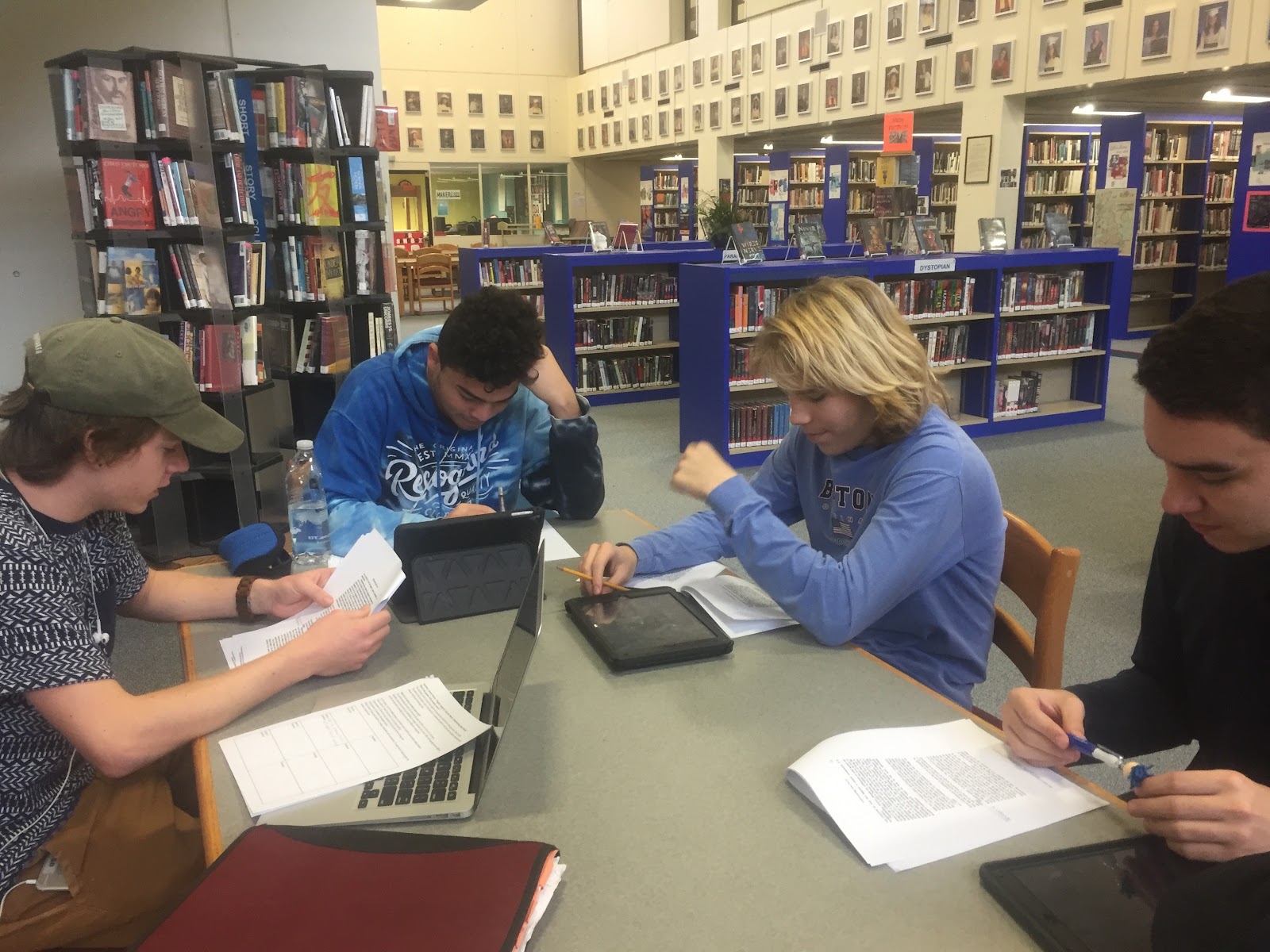
When it comes to analytical research papers, students often struggle with dissecting complex secondary sources. Solid research-based writing, though, necessitates not only that students comprehend critical articles, but also that they can synthesize the ideas from them with their own analysis of the primary source. Two-column notes provide students with an entry point into secondary texts by focusing their reading. Such notes are also a quick and effective way to evaluate students’ comprehension and to identify students’ misconceptions.

Mrs. Shalkoski’s junior English class, for instance, used secondary source information to enhance their examination of “John Proctor as the Tragic Hero in The Crucible.” In their two-column notes, they recorded key tragic hero traits, which could later be turned into topic sentences, on the left. We then modeled a think aloud for the first two paragraphs of a critical article, having students identify text-features and select quotes that could fit the right-hand-side of the chart. Students then collaborated in groups, annotating their texts, discussing “big ideas” and key points, and recording salient details. Doing so allowed them to draw connections, synthesize ideas, and substantiate their arguments. Ultimately, they used their two-column notes as a starting point for their analytical essays.


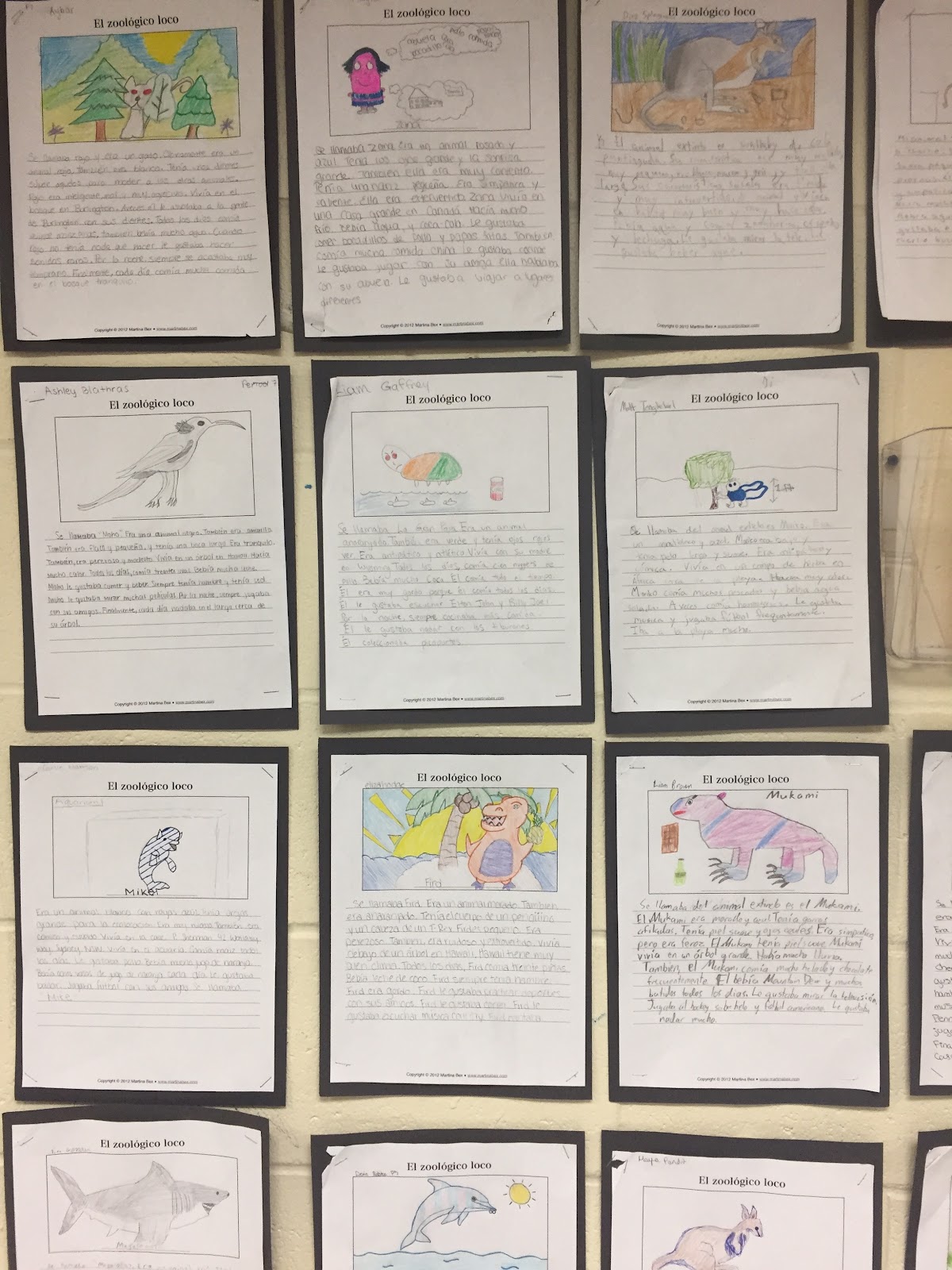
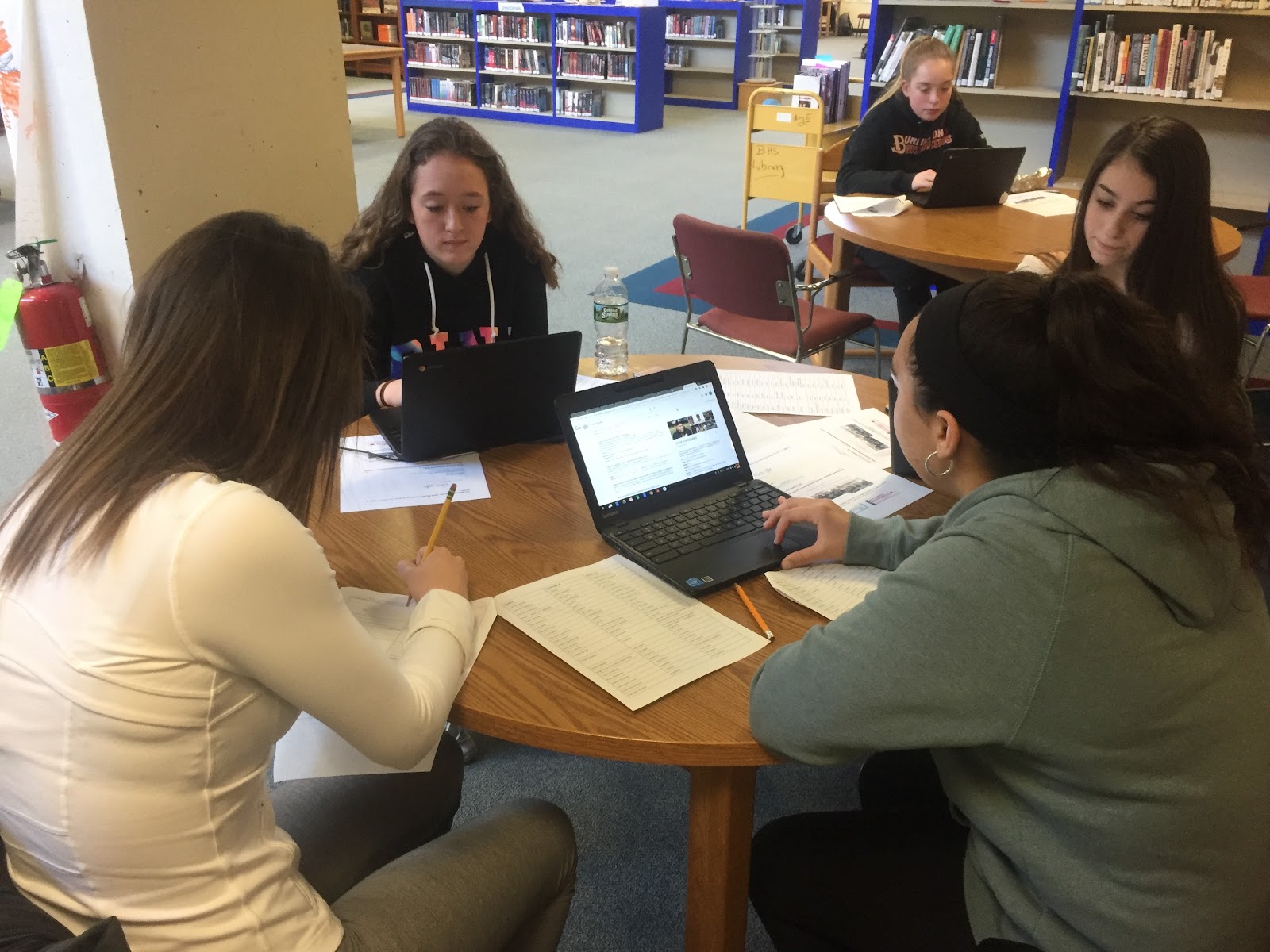
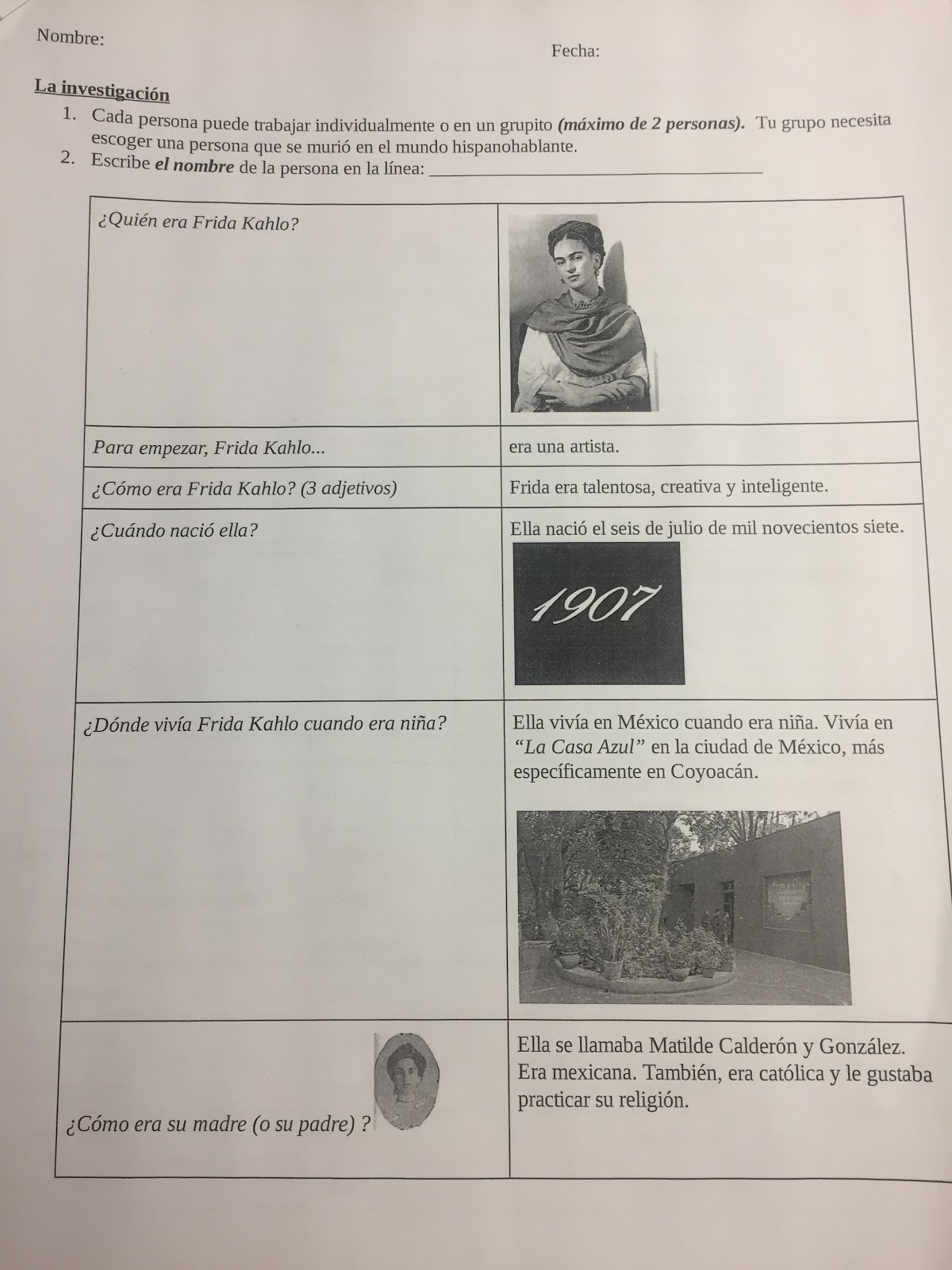
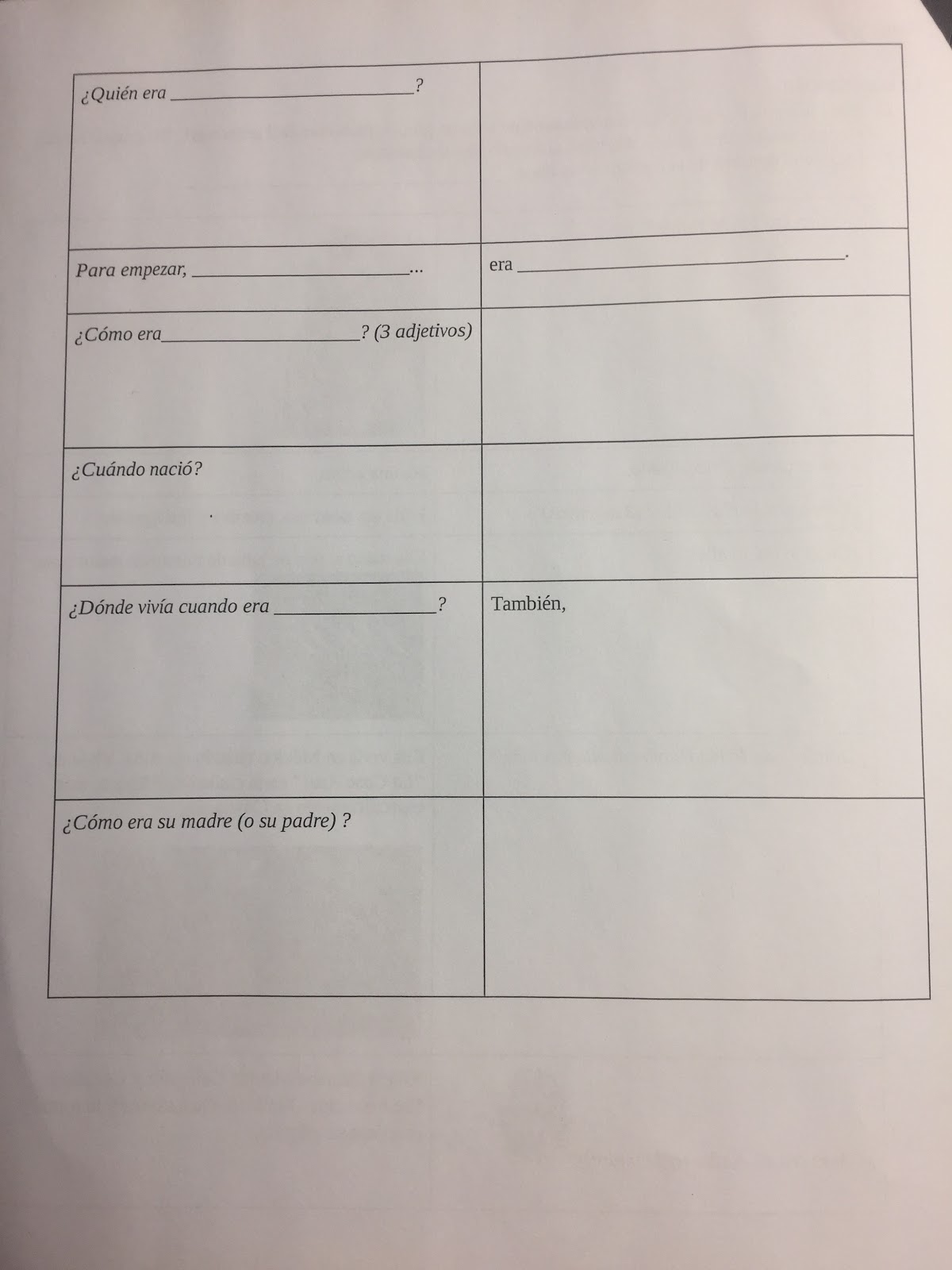
Recording research in two-column notes also helps students to clearly organize their points to develop summary writing. In Ms. Duhamel’s Spanish I class, students used two-column notes to research and record the characteristic of animals, which they then turned into cohesive summaries written in Spanish. Similarly, her class relied on two-column notes in investigating a famous Spanish speaking individual of their choice. They then presented a biography of their individual to their class in Spanish using Google slide presentations. Selected individuals included Paco de Lucia, Julia de Burgos, Octavio Paz, Pablo Picasso, and Roberto Clemente, among others. Duhamel noted how these projects pushed students to learn and utilize vocabulary and grammar structures in their writing and speaking that they typically might not encounter until Spanish II or III.

Wednesday, March 28, 2018

Day 121 - Wilfredo & The Thousand Paper Cranes - Mrs. Graham - BHS Librarian

According to an ancient Japanese tradition, an individual who folds 1,000 cranes will be granted a wish, such as longevity or healing.
Junior Wilfredo Escobar, who is currently battling cancer in a local hospital, is making origami paper cranes to reach his goal of 1,000 so that he may be granted his wish–to be free from cancer. In a show of love and support, BHS has joined in his efforts, as have students and faculty at other district schools.
Origami paper and instructions are available for BHS students and staff in the library throughout the day and outside the cafeteria during both lunches. Please consider writing Wilfredo a personal message or wish on your cranes. Need tips on folding your crane? Stop on by the library.
You can also donate directly to Wilfredo’s Leukemia Fund.

Wednesday, November 1, 2017

Day 41 - BHS Character Costumes - Mrs. Graham - BHS Library

In the spirit of fall fun and Halloween, students and faculty were challenged to wear a costume of their favorite character to school today. Participants were entered to win a Dunkin’ Donuts gift card. Those students who were able to find a book related to their characters on the shelves were entered to win twice. Below you can see some of our students and teachers in action. We also had a great time being visited by our Burlington Early Childhood Center pals as well!