Showing posts with label Gabriella Mirabella. Show all posts

Friday, November 3, 2017

Day 43 - Crazy about Categorizing! - MSMS Foreign Language Teachers


Here in the MSMS Foreign Language Department, we have been using categorizing as a KTL strategy throughout the year. Categorizing requires students to use main idea skills. Students are learning level 1 vocabulary for a foreign language in middle school. It can be beneficial for students to categorize this new vocabulary in a variety of ways to help with memorization and usage.
Students enjoy the “labeling the bucket” activity in Ms. Mirabella’s class. Depending on the section of vocabulary, students can categorize their vocabulary into groups, either by topic or parts of speech. 7th grade Spanish students in Ms. Mirabella’s class were introduced to the gender of nouns recently, which operates differently than it does in English. All nouns, living or nonliving, have a gender in Spanish: masculine or feminine. Students were taught how to properly identify the gender of nouns, and even identify exceptions to the rule.
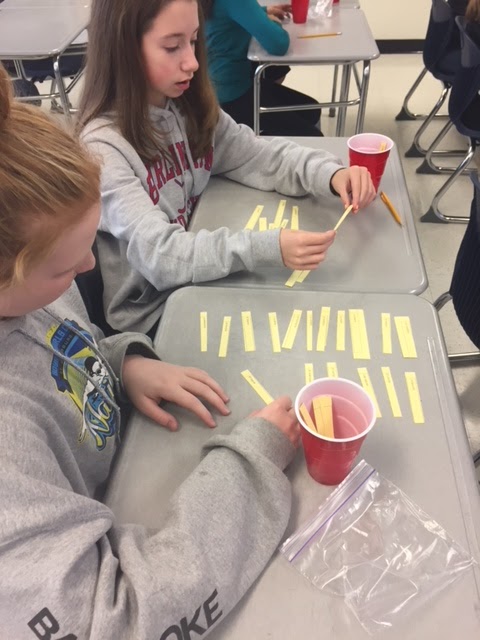
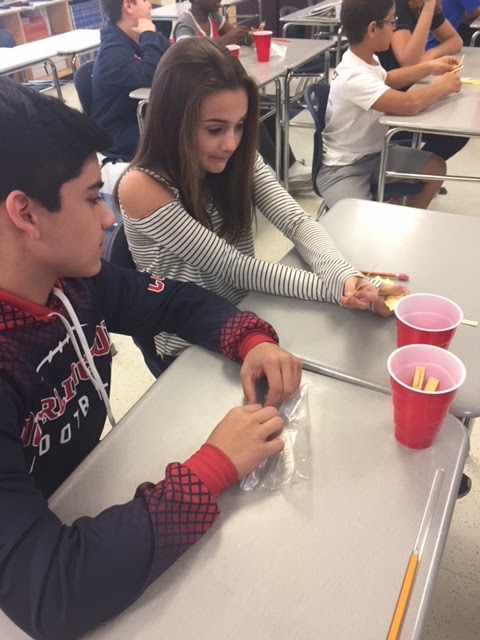
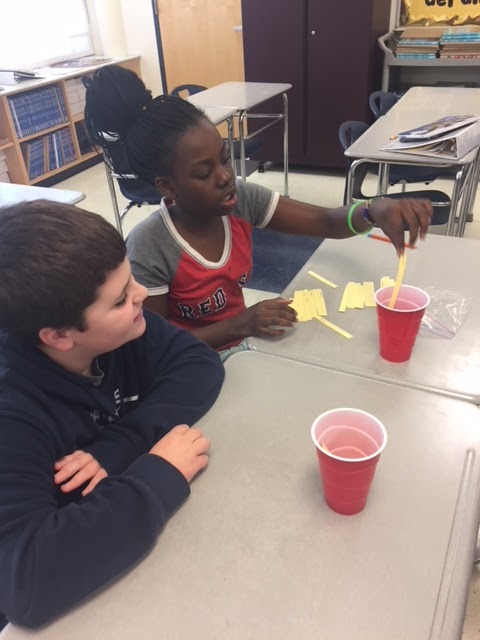
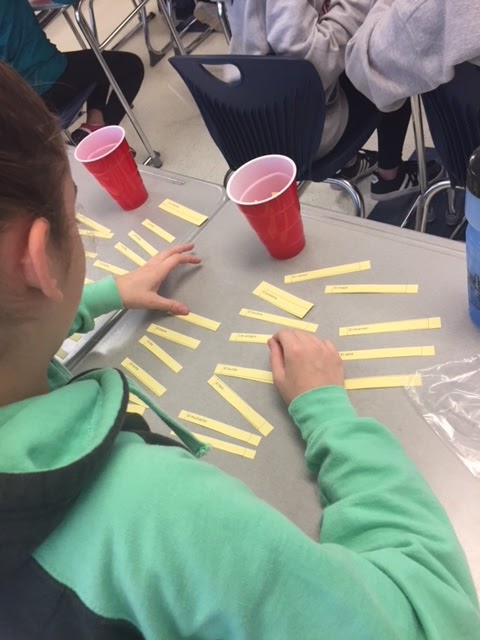
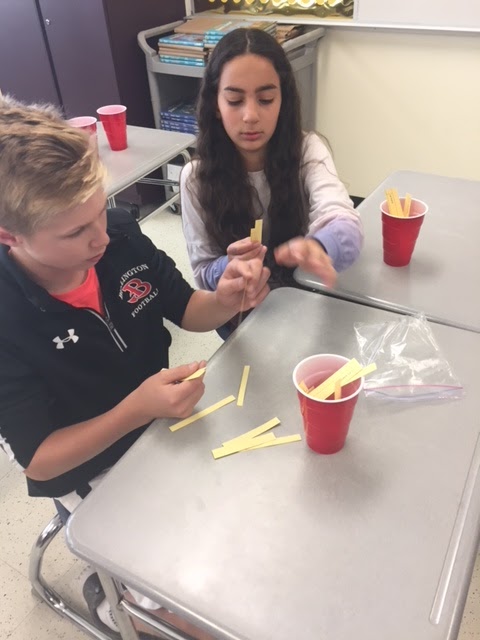
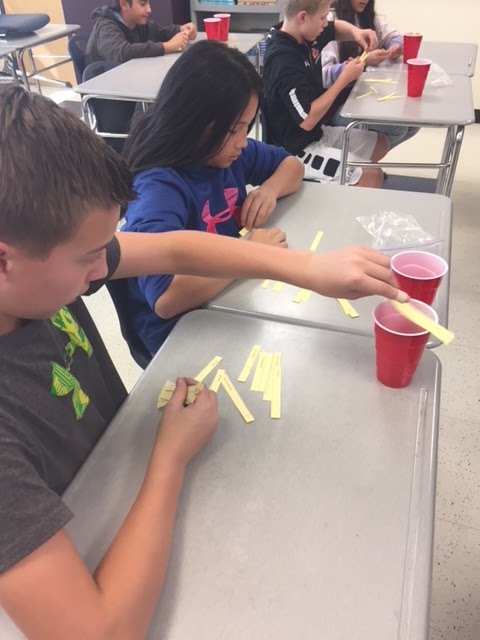
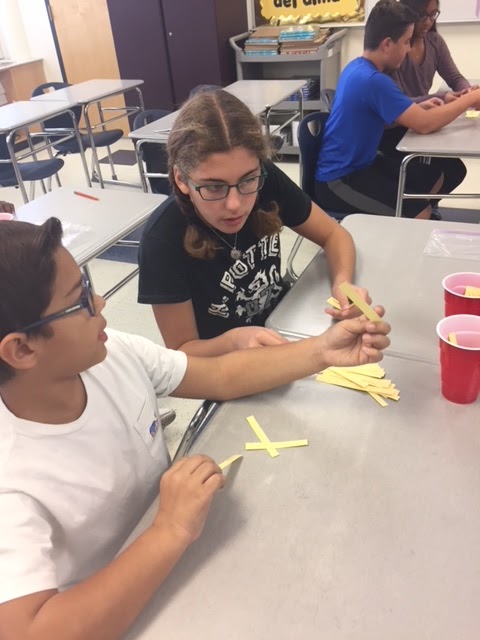
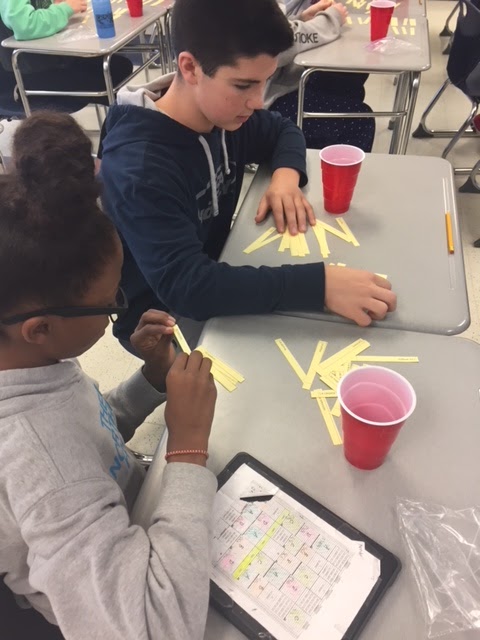
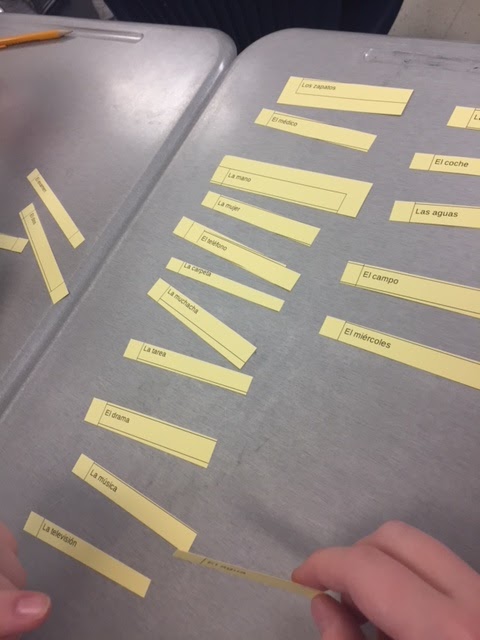
Ms. Mirabella gave each pair of students two cups (in place of buckets) and a ziploc bag filled with nouns on individual cutouts from cardstock. Each pair had to work together to put the feminine nouns into one cup and the masculine nouns into the other cup. When all pairs had completed the activity, students emptied their cups and shared their findings. Students were required to explain why they put a noun into a certain cup using the rules that were previously taught. This activity promotes collaboration and recall, and is a multisensory way to reinforce an important grammar lesson in Spanish. (Pictures below!)
IMG_4771.JPGIMG_4775.JPGIMG_4774.JPG


IMG_4780.JPGIMG_4783.JPGIMG_4776.JPG


IMG_4794.JPGIMG_4792.JPGIMG_4784.JPG
Mrs. Barkley’s Spanish classes are also categorizing. Her 8A and 8B classes did a KTL lesson using bucket sorting and top down webs!
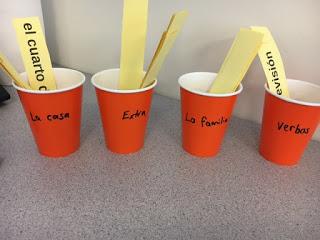

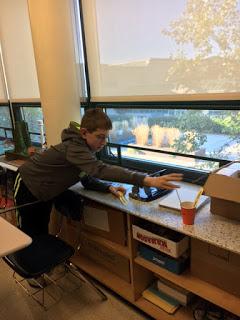
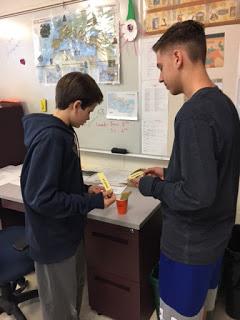
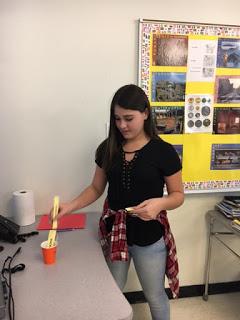
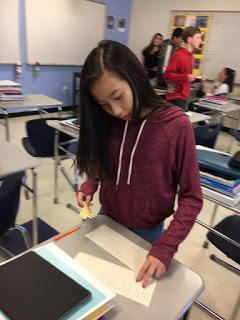
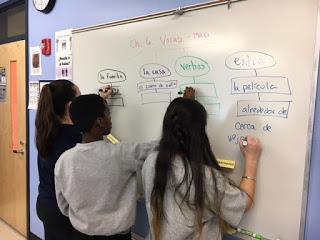
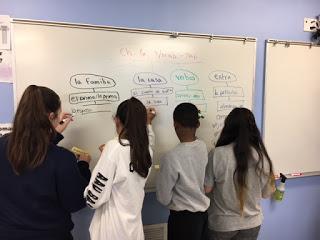
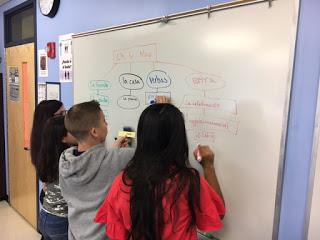
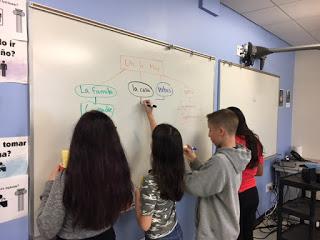
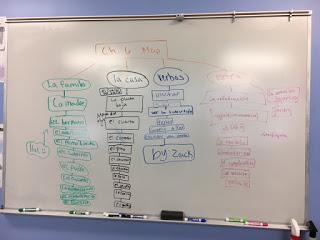
First, each student was given 2-3 Spanish words on a piece of yellow paper. They all got up and were asked to sort their vocabulary words by placing them in the correct buckets (la casa- house vocabulary, la familia- family vocabulary, verbos- verbs from their vocabulary, & extra- words from their vocabulary that didn't fit into the other 3 categories):


Then, volunteers came up to help organize all of the categories onto a Chapter 6 Vocabulary Web:


IMG_0128.JPGIMG_0122.JPG
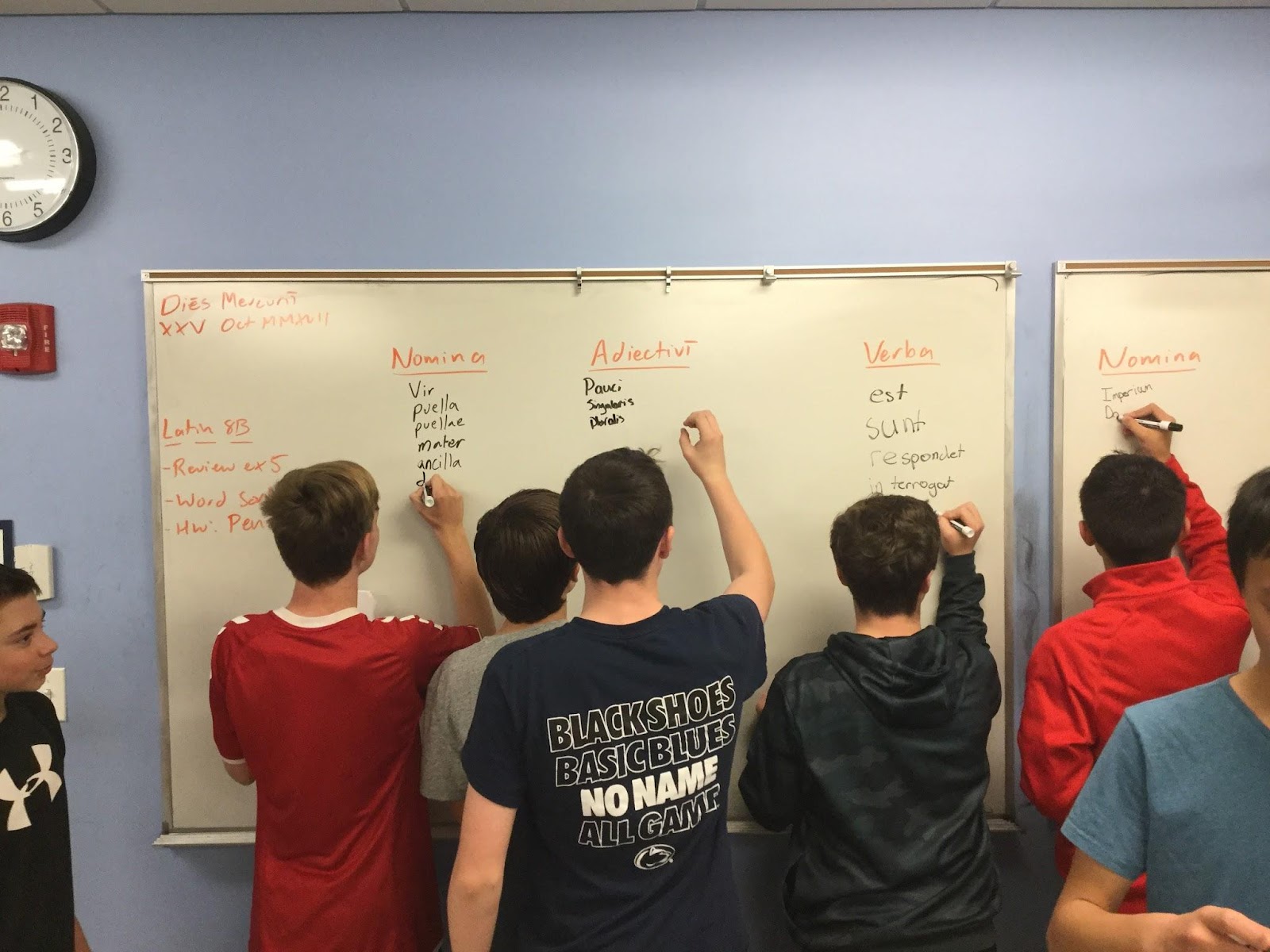
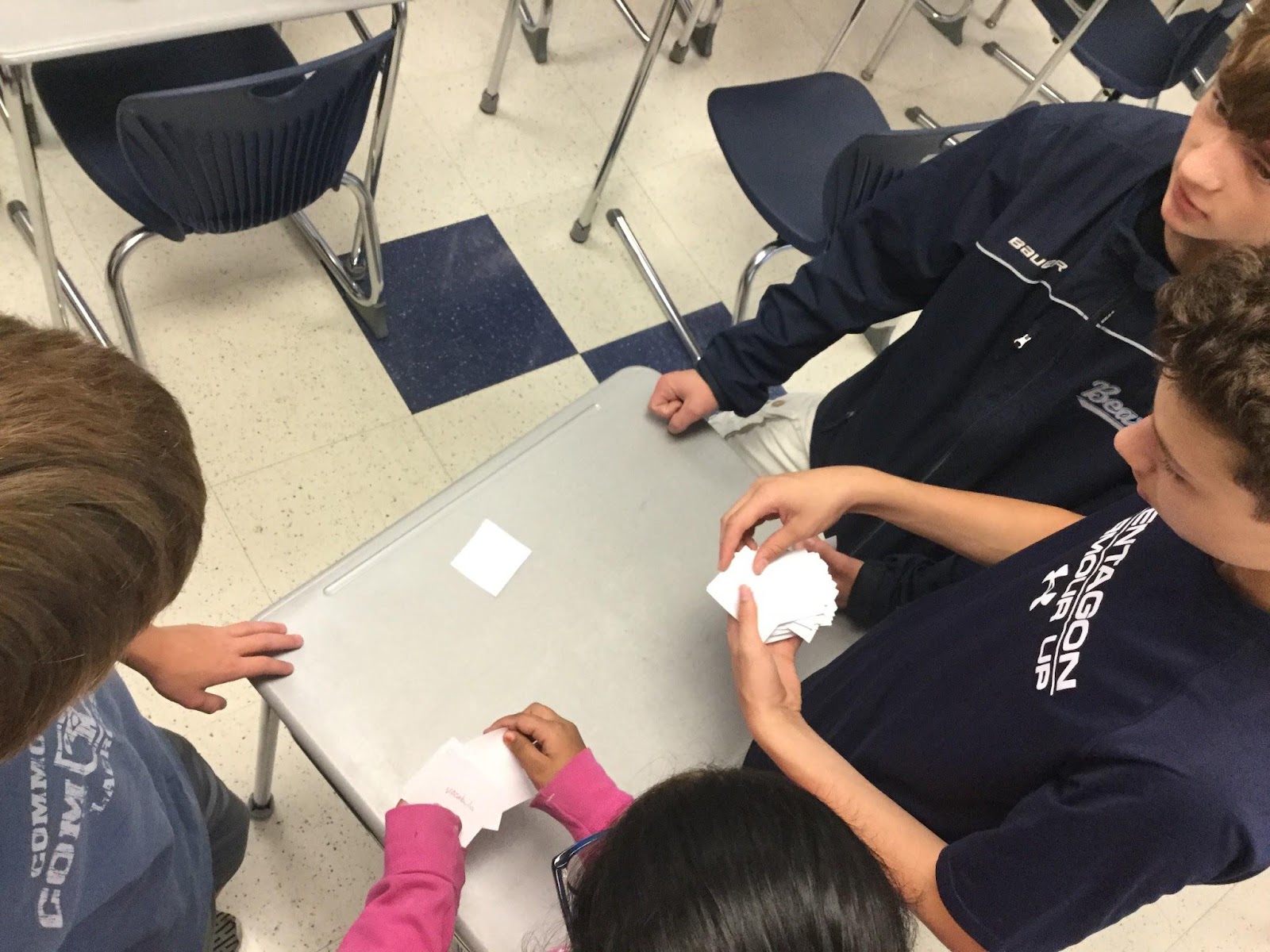
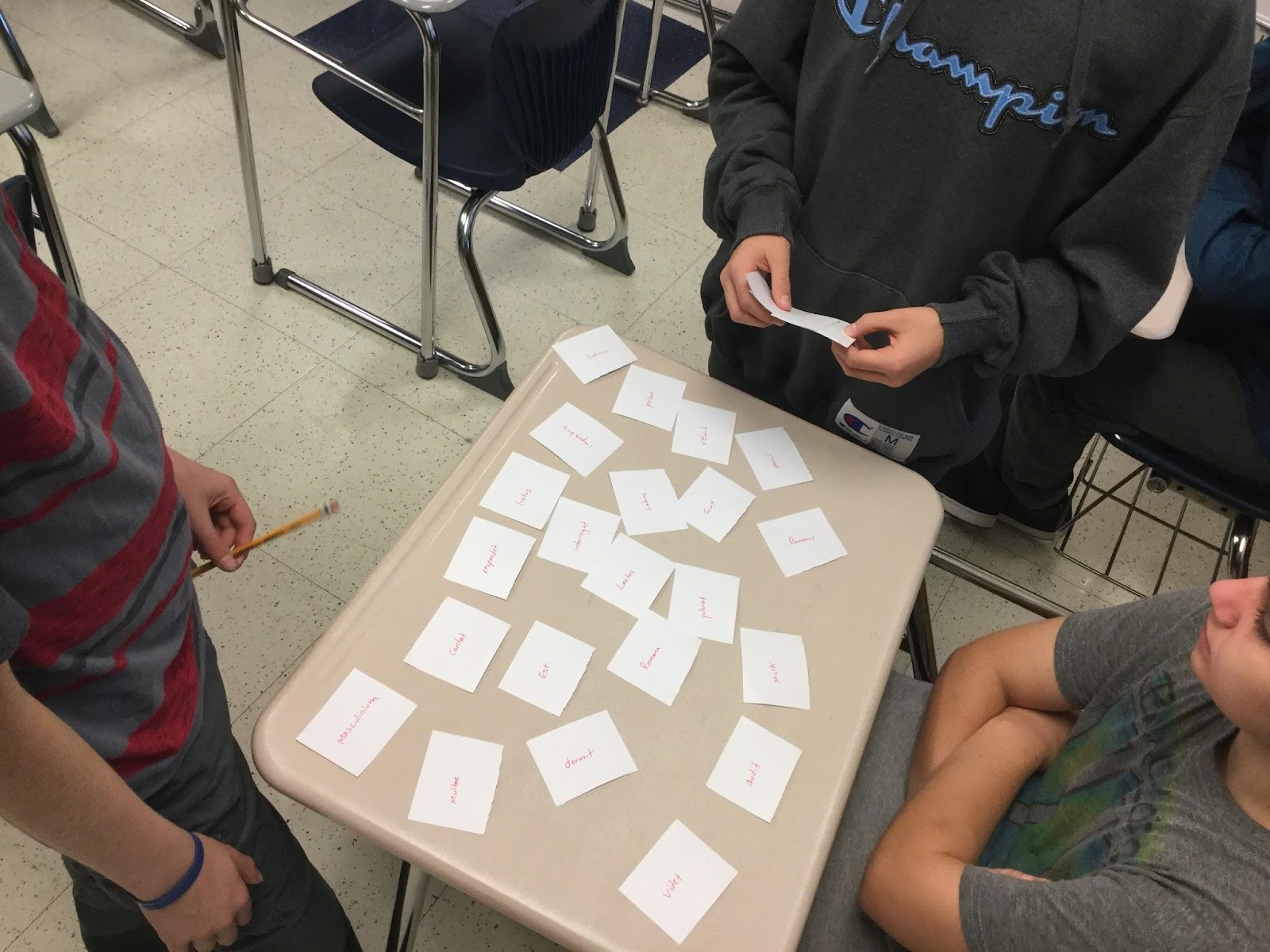
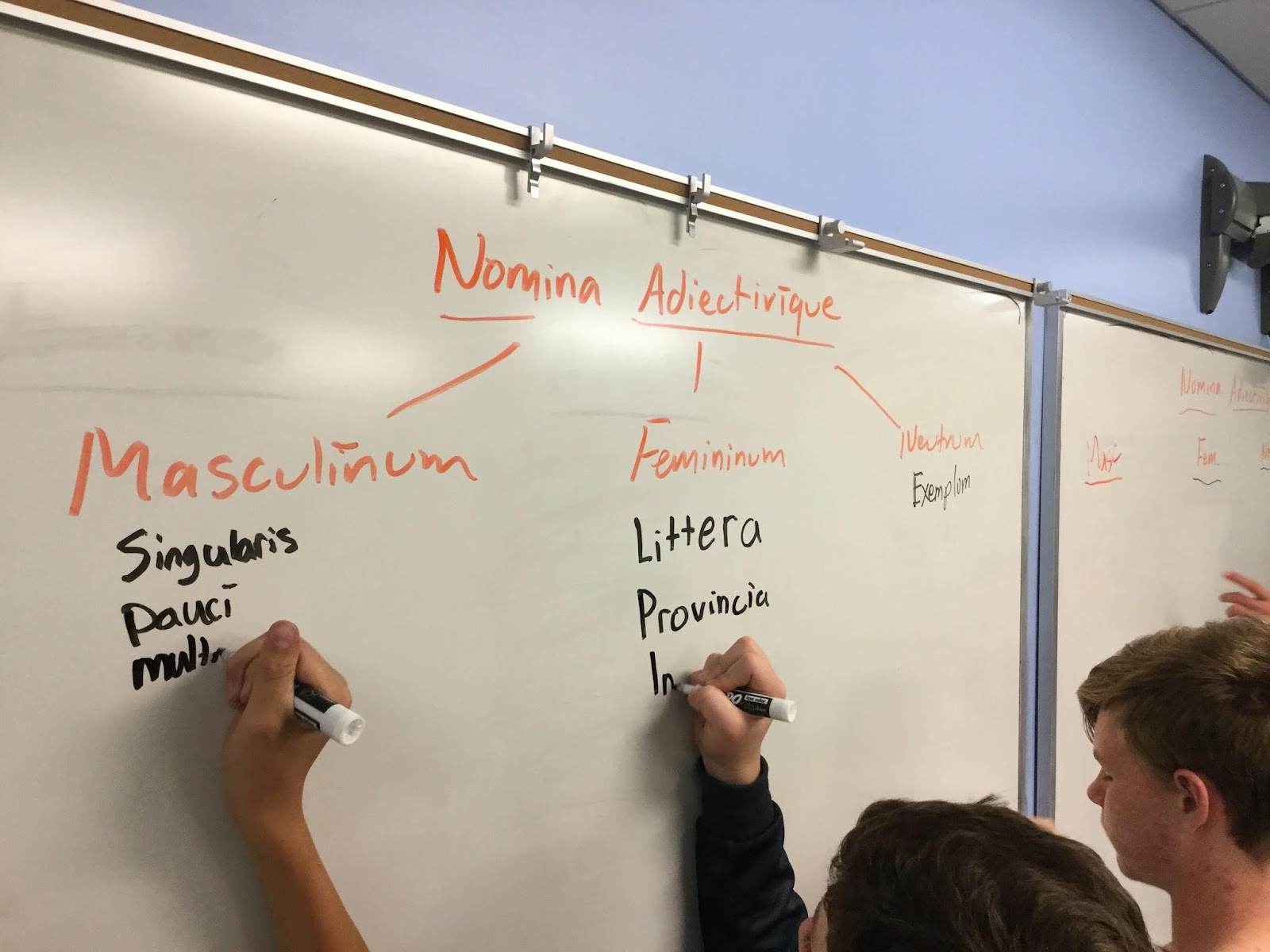
Mr. Walsh uses categorizing in his Latin classes. Both 7th and 8th grade students took part in a group activity to sort new vocabulary words in different ways. First, students were divided into two teams. Each team was given a pile of vocabulary words, which they had to sort into three piles based on parts of speech.

Once the teams agreed on their piles, the students copied their lists into three columns on the whiteboard - NOMINA (Nouns), ADIECTIVĪ (Adjectives) and VERBA (Verbs). The teams then checked each lists for any mistakes.IMG_0129.JPGIMG_0124.JPG
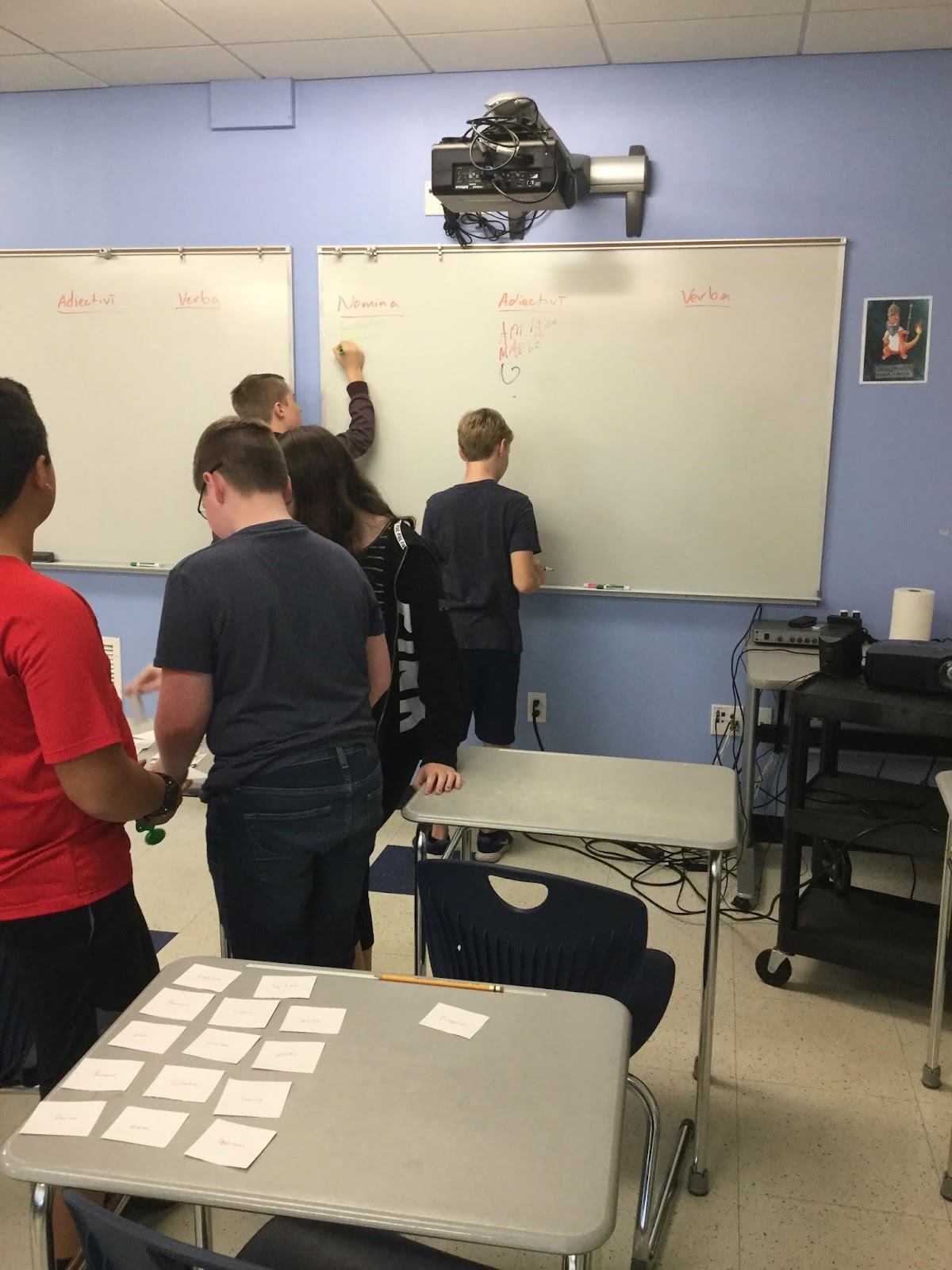
Finally, once the teams agreed on the parts of speech, they had one more task. The students took the nouns and adjectives and separated them by gender. The three new categories for this round were MASCULINIUM, FEMININUM and NEUTRUM.
IMG_0127.JPG

Thursday, March 30, 2017

Day 126 - Keys to Literacy continues in the World Language Department

This post originally appeared on the Burlington Keys to Literacy Blog
photo-2
This year, the World Language Department has been excited to implement the strategies that the Keys to Literacy program offers.  Last year, BHS began working with Keys to Literacy trainers and the World Language Department discovered that the resources they have to offer complement our daily lesson plans in meaningful ways.
Spanish teachers, Ms. Duhamel, Mrs. DiCroce and Profesora De Sousa, have experimented with Top Down Webs in their Spanish III classes.  Students were presented with a vocabulary theme that focused on reflexive verbs and daily routines.  After reinforcing the vocabulary using resources, such as two column notes, students read a short story about two kids named Débora, a Puerto Rican, and Hipólito, a Bolivian.  To organize the information read in the target language, Spanish teachers modeled the use of Top Down Webs.  They created a Top Down Web exemplar that outlined the daily routine of Niko, a character from a video that acts out his actions during typical day, and, then students completed the web based off of the notes that they took while watching the video (see student Top Down Web example: la-rutina-de-niko-1).  In sum, the Top Down Web helped students organize information and compare it to their own daily routine.
In addition, Spanish teacher Mrs. DiCroce examined the literature of Débora and Hipólito using Bloom’s Taxonomy.  Students created questions based off of the reading using the various levels of the Bloom’s Taxonomy ladder, ranging from remembering information to creating new details or ideas.   Using the various stages of Bloom’s Taxonomy taught students how to enhance their level of reading comprehension through applying information to daily life, analyzing the concepts through comparisons and contrasts as well as creating alternate scenarios. (see student Bloom’s Taxonomy example: la rutina de Débora).
Also, Profesora De Sousa continues to explore the use of Two-Column Notes in her Spanish classes.  For example, her Spanish II classes have begun organizing their grammar concepts, such as the present tense of -AR, -ER, and -IR verbs using the Two-Column Notes template.  In class, her students organized and categorized the important information pertaining to each idea while using colors to compare examples.  (Check out the example: repaso-1-apuntes-de-2-columnas)
Lastly, Ms. Mirabella taught Top Down Webs and two column notes to her 7th and 8th grade Spanish classes at MSMS. 7th graders were introduced to Top Down Webs in her Spanish class with a general example (a daily routine), and after, students were told they would use webs with their unit on Spanish speaking countries. After Ms. Mirabella created a blank web with only regions listed (i.e. North America, South America, etc.), students filled in the countries that speak Spanish under each region. Students used these webs as part of their study guide for their unit quiz on this concept.
In 8th grade Spanish classes, Ms. Mirabella introduced the family members vocabulary. Students first filled out a “green light, yellow light, red light” work checklist (Word Knowledge Checklist). On this sheet, students noted how much knowledge they had about each vocabulary word about members of the family in Spanish. If they knew what a word meant in English, they wrote the definition in the green light column. If students had heard the word before or have seen it, they wrote whatever they knew about that word (i.e. noun) in the yellow light column. If students had never heard or seen the word before, they simply checked the red light column. After discussing the results of the worksheet, the vocabulary was formally introduced. Next, students completed Two-Column Notes with this vocabulary. In the left side of the notes, students wrote the word in Spanish and drew a small picture underneath. Across from that on the right side of the page, students filled in what the word meant in English, any synonyms and antonyms for the word, and then used the word in a sentence in Spanish. Overall, students were interested in trying these new strategies, and will continue to use them throughout the year in future units and chapters!

Many of the strategies presented during the Keys to Literacy workshops last spring and this fall have motivated the World Language teachers to explore the resources and collaborate with each other to recognize which tools best support our language students.  Most notably, the strategies that the students are developing in their language class will support them in all classes throughout their learning experience at BHS and beyond.

Monday, April 25, 2016

Day 141 - What We’re Up To: Quizlet Live! - Ms. Mirabella - MSMS Foreign Language

Hola Students & Parents!
Lately, we have been reviewing lots of new vocabulary in both 7th and 8th grade Spanish classes. 8th grade students just learned summer and winter sports and activities. 7th graders have been reviewing vocabulary from the much anticipated food chapter. Usually, review classes include the use of Kahoot!, Around the World, Catch It, Whipshares, and other activities.
Mr. Finnigan, MSMS’ Latin teacher, was nice enough to walk myself and the 8B class through a new game. This new review game is called, Quizlet Live. Many teachers already use Quizlet as an outlet for students to review vocabulary across any school subject. Quizlet Live takes those same vocabulary words from digital flashcards, and creates them into an interactive game. In our class, students have been playing Quizlet Live before their vocabulary quizzes to review.
After going to Quizlet.live on their iPads and typing in a game pin, students are shuffled into groups based on animals. They sit with their team members side by side, and each round contains 12 questions. The first team to answer 12 questions in a row correctly without getting “kicked out” back to question 1, wins! The game promotes team work and collaboration because the answer to each question only appears on ONE team member’s iPad screen. Teams have to talk out who has the correct answer in order to move on to the next question.
Here is a PDF to the directions for students & teachers (thanks Mr. Finnigan!)
& pictures of 7B and 8C students engaged in a round of Quizlet Live!
-Ms. Mirabella


Monday, June 8, 2015

Day 167 - Tapas Party - Ms. Mirabella - MSMS Spanish

Our 7th grade students did a wonderful job learning all of the vocabulary from the food chapter! To celebrate their success, we held an in class tapas tasting. 
Students brought in authentic Spanish tapa items, as well as some Mexican favorites. I provided homemade tortilla española and some non-alcoholic sangria. Students tasted many different items, and noted their likes and dislikes on a chart. Everyone had a blast!
Thank you so much to everyone who helped make this tasting a success, including Mrs. Foley, the MSMS custodians, and all the parents who helped their 7th graders buy/prepare their tapas!